

Here, I recorded how I built nests and mini habitats for wild animals in Brookmill Park. You can use this as a reference to provide food and shelters for small animals near your home to attract frogs, hedgehogs, birds, squirrels, and more. You can also take some fun photos of them to turn into emojis and memes.


Build a Hedgehog Home
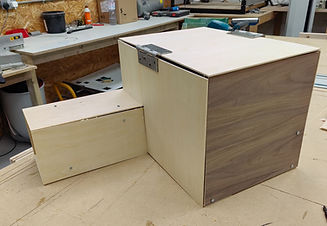


If you give hedgehogs a safe place, you're more likely to see these spiky little creatures in your garden.
Unfortunately, there are fewer than one million hedgehogs left in the UK nowadays. Since 2002, we have reduced our hedgehog population by approximately 30%. They need a home like that of humans, so building a home for them is a good way to attract them into the garden.
You need:
Some wooden boards, preferably birch;
Two metal hinges;
Soil;
Dry leaves;
Grass or hay;
A cool, quiet, and relatively secluded place.
Saw the wooden boards to the size you need.As shown in the picture, you’ll need a narrow entrance tunnel and a box that will form the main body of the hedgehog house. I don’t recommend skipping the tunnel—this helps stop predators from getting their claws inside!


Once you’ve finished building, choose a cool and quiet place to put the hedgehog house. Lift the lid, fill the inside with leaves and hay, and then you’re done—now just wait for a hedgehog to move in.
Making a log pile are also good options for providing space for hedgehogs to nest.

Build a Mini Pond


Even a small mini pond can provide a home for all kinds of wildlife, including larvae, dragonflies, and frogs. Any pond can become a feeding spot for birds, hedgehogs, and even bats—it’s a mini ecosystem! Your pond doesn’t need to be big. Washing-up bowls, large flowerpots, or even old sinks can be transformed into one, as long as animals can get in and out.
You need:
A waterproof container
Old bricks, stones, and pebbles, or some logs
Pond plants
A shovel
Choose a quiet place. Your pond needs light, but it shouldn’t be in full sun all day. You can dig a hole and sink the container into the ground, or just place it on top of the soil. Use logs or stones to create different depths and gentle slopes .Wait for the rain to fill your pond, as tap water contains chemicals. Once you plant some aquatic plants, you’re all set.
Now just wait and watch! Wild animals will come to your pond on their own. Don’t introduce frogs, fish, or even water from other ponds, as these can spread diseases.


Build a Log Shelter
The piles of logs will create a little village for insects. This will attract birds, hedgehogs, and frogs that come to forage for food.
“
Scattered logs:
Scatter logs under flowers or trees. This method helps create space between plants and covers the soil. However, if you make the pile denser, it will attract more wildlife.
Neat stacking:
This type of stacking is common in shrub woodlands. The logs are carefully arranged to form a pyramid shape.


